
How Flexible Printed Circuit Manufacturers Collaborate With Clients
Flexible Printed Circuit Manufacturers
When designing a flex PCB, or even a rigid-flex board, there are a number of considerations that go beyond ensuring the design meets DFM (design for manufacturing) guidelines. The physical characteristics of the material used for the base board and the flexibility or bending required for the finished product can throw off your layer-stack, parts placement, and routing decisions.
This is why it is important to choose a reputable PCB manufacturer with experience in the complexities of flexible printed circuit boards. A company that understands the unique issues of flex circuit production will be able to guide you through the process from start to finish.
RayMing PCB & Assembly is one such company that offers a wide range of flex and rigid-flex fabrication and assembly services to help clients succeed in the increasingly competitive electronic device market. The PCB manufacturer has a highly experienced team that can help you with all aspects of the design, manufacturing, and testing processes. The company can also assist you with the selection of materials, as well as provide a variety of other services that will enable you to get the most out of your flex or flexible printed circuit manufacturers.
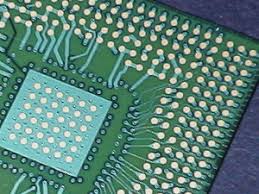
How Flexible Printed Circuit Manufacturers Collaborate With Clients
Rigid flex and flexible PCBs are manufactured in much the same way as rigid boards, except they have different processing options. The two primary methods are sheet-by-sheet and roll-to-roll, with the latter offering significant cost savings. Depending on the size of your product, you can choose the option that best fits your needs.
The first step in the flexible PCB manufacturing process is to prepare the substrate material, which is done by cleaning and etching it to create a clean surface for the printing of the circuit pattern. Then a photomask is aligned to the substrate material, and UV light is shone through it. This exposes the photoresist material in the desired pattern and removes it from the areas of the copper that are to be etched away, leaving the wiring pattern behind. Then an insulating layer called a coverlay is formed to protect the wiring pattern.
When working with a flex or rigid-flex PCB, there are some do’s and don’ts that can significantly improve your chances of success. These include deciding up front how much flexibility you need and whether the circuit sections are going to be static, as in an ultrasound device, or if they will be a moving part, like a handheld computer. Also, it is a good idea to round the corners of traces and avoid using segmented arcs in traces, as these can create stress fractures when they bend.
If you follow these tips, you can ensure that your flex or rigid-flex PCB is fabricated and assembled with the highest possible quality. Then you will be able to launch your product and begin building a successful business. With the right flex or rigid-flex PCB manufacturer by your side, you can be confident that your product will perform exactly as intended and meet all of your customers’ expectations.