
Can Rigid Flex Be Used in Implantable Medical Devices?
Rigid Flex Be Used in Implantable Medical Devices
Rigid flex, also called rigid-flex, merges the best of rigid and flexible circuit board technology to enable the creation of devices that improve reliability, reduce size and weight, and enhance functionality. These PCBs can be used in a wide range of electronic devices, such as medical equipment like neurostimulators and imaging equipment, wearable technology, automotive electronics, and more.
The rigid portion of a rigid-flex PCB is composed of multiple layers of polyimide or other suitable materials, with the conductors and mounting components embedded within them. This is then topped with a coverlay layer, often made of additional polyimide or an adhesive, which serves as a solder mask for the copper surfaces. Depending on the application, there may also be additional components mounted on the flex portions of the board. The rigid and flex sections of the board are then assembled together using solder paste or liquid epoxy.
The use of rigid flex PCBs in medical devices offers several benefits to the manufacturer, including increased device durability and reliability, reduced component costs, and improved esthetic design. Rigid-flex circuit boards are highly versatile and can be manufactured in a variety of shapes, sizes, and colors, making them an ideal choice for a wide range of applications in the healthcare industry.
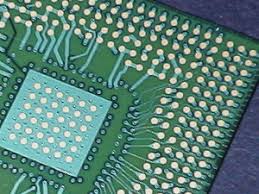
Can Rigid Flex Be Used in Implantable Medical Devices?
They can be used in diagnostic instruments, medical imaging systems, and military missile guidance equipment, as well as consumer electronic products, such as digital cameras, laptops, and GPS units. Rigid-flex circuits are particularly useful for incorporating advanced features into these types of products, enabling the creation of sleek and lightweight designs that can accommodate more components while improving durability.
Due to their hybrid structure, rigid flex circuits are extremely durable and have high shock resistance. This makes them an ideal choice for drones and aerospace equipment that must operate reliably in harsh environments, such as high vibrations and temperature variations. In addition, they are frequently utilized in drone control systems and navigational hardware to enhance flight safety.
In addition to their durability, rigid-flex PCBs are also capable of absorbing mechanical shock and distributing pressure. This feature has led to their adoption in drones and aerospace systems, as well as in vehicle sensors and infotainment equipment, where they can help reduce the load on components and increase energy efficiency.
Rigid-flex PCBs can simplify the manufacturing process by eliminating the need for extra connectors and cables. This can speed up long production runs and make them more cost-effective. It can also improve esthetic appearance, which is especially important for consumer-facing applications.
One challenge when designing rigid-flex circuits is ensuring that the flexible regions are sufficiently strong to withstand repeated mechanical stress. To ensure this, designers must use appropriate trace widths and asymmetrical layouts to distribute mechanical loads evenly. They must also minimize stress damage by ensuring that components are positioned on less stressed regions of the board and by utilizing stiffeners. Integrated MCAD and ECAD tools within a single design program can also help engineers visualize the allowed bending radius and optimize the shape of their flex section for manufacturability.